

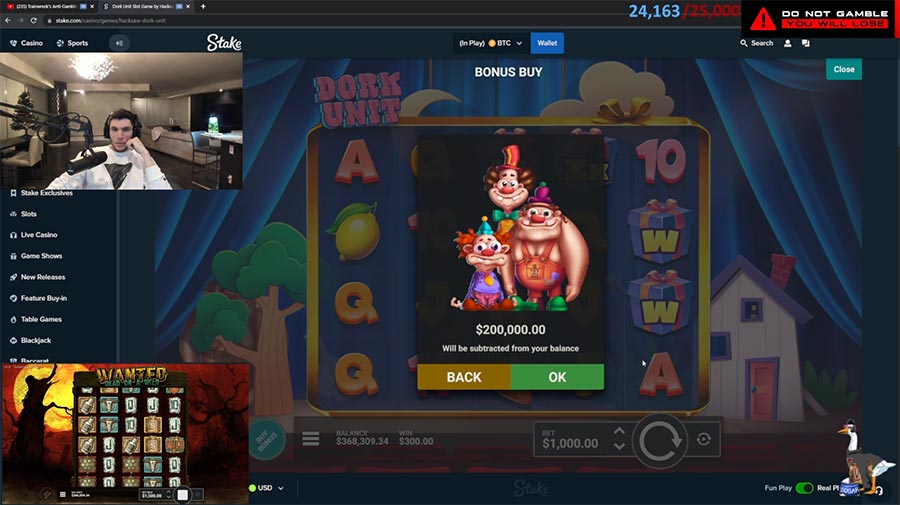
The iGaming industry has long been plagued by a nefarious reputation, despite efforts to implement stricter regulations. Unscrupulous business practices continue to sully the reputation of an industry overrun by cheats, criminals, and corrupt actors. This is not a novel phenomenon, as land-based casinos have long been associated with organized crime. Online gambling, however, has undergone a shift in terms of popularization; whereas in the past it was depicted in movies and promoted by Hollywood celebrities, today it is championed by streamers and influencers on platforms such as Twitch and YouTube.
In 2015, live streaming slot sessions on Twitch emerged as a trend at a time when the industry was relatively unadulterated. Bets were kept relatively low, and streamers were primarily enthusiasts or small affiliates. However, as with any industry where there is money to be made, corruption soon followed. The concept of live streaming slot sessions on Twitch was initially an innocent one, but over time it has been infiltrated by unscrupulous actors.
It is an unfortunate reality that where there is wealth, there is often corruption. This holds true in the iGaming industry, where the proliferation of online slots has attracted opportunistic and unscrupulous individuals. As early as 2016, nefarious practices such as viewbotting and fake money streaming were already being employed by a select group of streamers. At that time, it was not Stake.com but rather a casino operator named Multilotto that was violating the community through its underhanded marketing tactics. Those familiar with the costs and rewards of streaming were aware that Multilotto was systematically providing many of its streamers with fake money accounts, with Roshtein being its primary streamer.
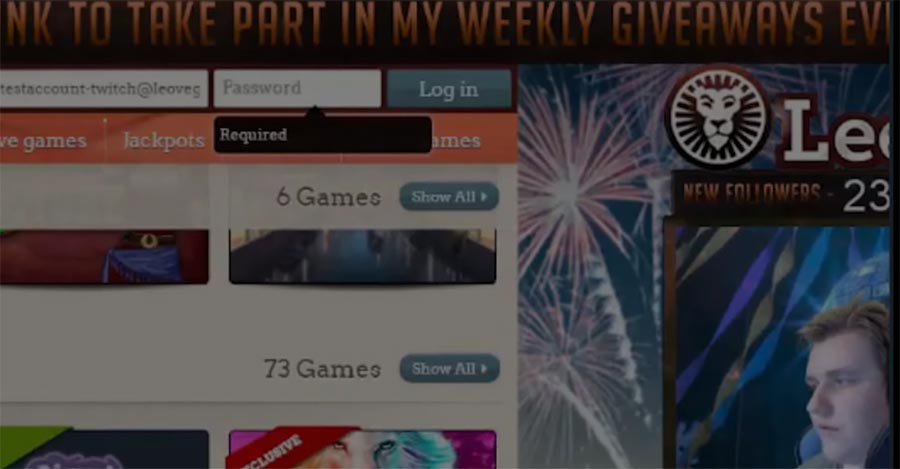
It is not only lesser-known casinos that engage in such unethical behavior, even reputable names such as LeoVegas have been caught. After streamer ‘CasinoRobot’ made a mistake and inadvertently displayed his LeoVegas demo account on stream, the company apologized and made changes to its marketing team. However, the same cannot be said for many of the crypto casinos, which continue to deny their fraudulent conduct.
Although Multilotto is no longer active, it has been replaced by even more sophisticated cheaters. The most prominent of these is Stake.com, which has thrived in a burgeoning grey market by recruiting well-known Twitch streamers such as Trainwreckstv and xQC, as well as mega artist Drake, who is rumoured to be an investor. In the past, fake streamers at least made some effort to make their gambling sessions seem credible, but as they have competed with each other for attention over the years, sessions with spins worth $1k-75k have become commonplace, along with excessive viewbotting.
The behavior of Trainwreckstv, who spends 35+ hours per week gambling his money at nearly the same rate as Jeff Bezos makes his, is clearly unsustainable if the funds were real. Despite the absurdity of it all, Stake’s tasteless performers seem largely unencumbered by guilt or shame, and, unfortunately, there are enough gullible viewers to make it profitable. Even the giveaways are questionable, with streamers claiming to give “millions” back to the community with no transparency or proof that the claims are true.
Following months of complaints from the streaming community, Stake.com and a number of other unethical operators were dealt a significant blow when streaming platform Twitch decided to ban them indefinitely. Since then, Stake has been attempting to establish its new Twitch-like platform Kick.com to continue its heavily relied-upon streaming marketing campaigns. The situation on Twitch has improved, though there are still many crypto-based Curacao brands that have benefitted from the absence of their largest competitor. The cheating is still so rampant that it appears the majority of gambling streams have turned to fake money streaming; even online slot reviewing sites are cutting corners by setting up streams on crypto casinos with what is likely fake funds in an effort to compete in the streaming market.
As individuals who have been involved in streaming since 2016, we have been offered fake money accounts on multiple occasions. A common tactic is to set up special accounts on which the casino can deposit any amount desired by the streamer. These funds are not withdrawable and do not typically appear as transactions in the player profile. However, there are far more advanced setups than this.
For instance, a casino may deposit real funds, but the streamer can only withdraw a small percentage of it. This is something streamer xQc admitted to in the past. Instead of cashing out, the funds are often recycled by doing bonus hunt streams. Ultimately, it is all a marketing ploy, luring viewers to sign up and take large financial risks while the streamers profit without incurring any risk themselves.
There are even suspicions that some game providers are complicit in these activities, either by providing free costs for special streaming accounts or through other business arrangements. This may help explain why certain game providers are disproportionately featured among fake crypto streamers. According to many iGaming representatives and comments in forums and on social media, the general consensus is that Hacksaw Gaming and Pragmatic Play have agreements with Stake.com, as they receive an exceptional amount of exposure compared to other game providers, particularly Hacksaw, which is rumored to be fully or partly owned by Stake.
Unfortunately, due to a lack of transparency and weak regulations in Curacao, combating fake money streaming is a challenging task. The best solution would be for streaming platforms to regulate it themselves, but as they have shown an inability to do so, it is more likely that a blanket ban will be imposed in the future.