


In the ever-evolving landscape of online entertainment, the phenomenon of casino streaming has surged to the forefront, captivating audiences with the allure of fortune and the thrill of the gamble. However, a shadow has fallen over this digital spectacle, cast by the entrance of sponsored streamers, often propelled into the spotlight by big crypto brands.
This new breed of streamers, wielding bottomless bankrolls and promises of endless wins, has not only distorted the viewer’s perception of risk and reward but has also compelled legitimate streamers to escalate their own stakes in a perilous race to remain relevant.
At the heart of this issue lies a fundamental distortion of gambling’s reality, where casino streamers, armed with illusory funds, engage in high-stakes gambling escapades. These portrayals are dangerously misleading, presenting a skewed narrative of gambling where significant losses are but a minor setback, easily remedied by a seemingly infinite supply of funds. This facade, however, is not the reality for the average viewer, for whom the stakes of gambling are very real and potentially devastating.
The influence of these sponsored streamers extends beyond the individual, affecting the entire ecosystem of casino streaming. Legitimate streamers, faced with the Herculean task of competing with the spectacle of unlimited balances, find themselves pressured to increase their own betting thresholds. This escalation further puts the financial stability of viewers at risk, perpetuating a cycle of unrealistic expectations while further entrenching the belief among viewers that high-stake bets are both normal and attainable.
The crux of the problem lies not in the act of streaming itself but in the transparency and ethics surrounding these practices. The relationship between streamers and their audience is predicated on trust – a trust that is exploited by the use of fake or sponsored money and shady streaming deals. Viewers, drawn to the charisma and apparent success of these streamers, are often unaware of the artificiality of their funds. The danger is profound, as it not only misleads viewers about the nature of gambling but also encourages them to partake in risky gambling behaviors, chasing losses that they cannot afford.
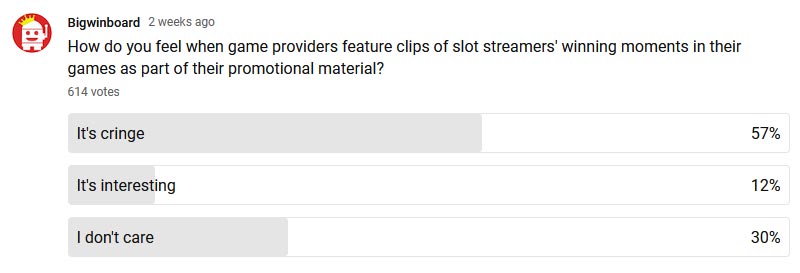
The complicity of game providers in the casino streaming ecosystem demands scrutiny, too. By tailoring slots to high-risk play, sponsoring streamers, and leveraging streamer wins as promotional tools, these entities amplify unrealistic gambling expectations. This practice not only glorifies the illusion of easy wins but also obscures the inherent risks of gambling. For a healthier environment, game providers must pivot towards promoting realistic gambling experiences and responsible entertainment, breaking the cycle of misleading representations that fuel the drive towards irresponsible gambling. Seeing regular players share their wins is one thing, but witnessing a favored streamer achieve consecutive large wins, week after week, creates a deceptive belief among viewers that they, too, can replicate such success.
Addressing this issue does not call for a ban on casino streaming but for an urgent and comprehensive educational initiative aimed at viewers and potential gamblers. There is a dire need for awareness campaigns that highlight the reality of gambling risks, the nature of fake money or sponsored streaming, and the deceptive practices employed by some streamers – particularly those sponsored by high-profile crypto casinos, as has been evident due to their notoriety for engaging in shady and controversial practices. Such efforts should strive to peel back the curtain on the entertainment facade, revealing the machinations behind these streams and educating the audience on the financial implications of real-world gambling.
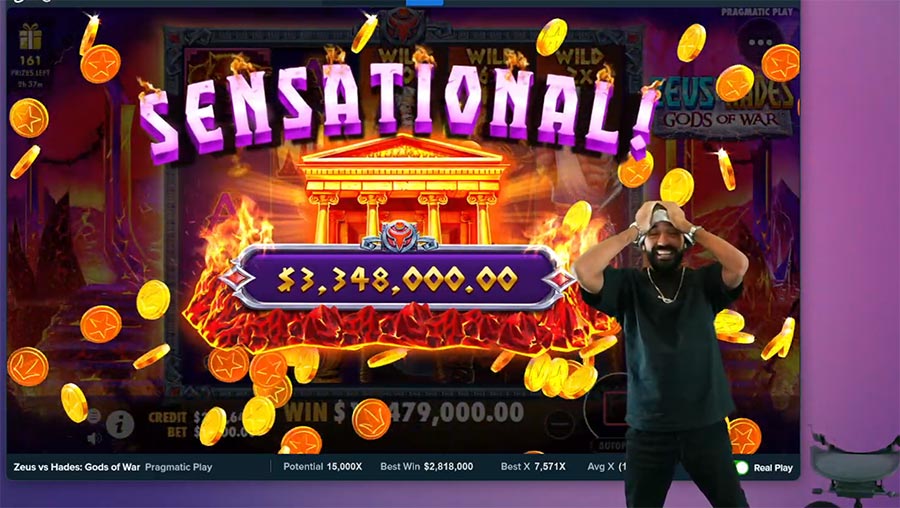
Moreover, platforms hosting casino streams and the streamers themselves must be held accountable, ensuring greater transparency regarding the nature of the funds being used. Regulatory measures, akin to those governing traditional gambling advertisements, should be enforced, mandating clear disclosures when sponsored money is in play. These steps, combined with active viewer education, can foster a more informed and cautious approach to gambling entertainment.
In conclusion, as the world of casino streaming continues to evolve, so too must our understanding and regulation of its practices. By shining a light on the use of fake or sponsored money and the consequences it bears for viewer perception and behavior, we can begin to mitigate the risks associated with this form of entertainment. Education is the key to empowerment, enabling viewers to discern reality from illusion and make informed decisions about their engagement with gambling content. Through awareness and transparency, the community can preserve the thrill of the gamble while safeguarding against the dangers of deception.