
If you haven’t seen it yet, there’s a video on YouTube titled “Roshtein is Hiding This from You“, and it’s causing quite a stir. Interestingly, the video doesn’t just explore the hidden practices of online gambling, it does so with remarkably high production quality, raising questions about who might be behind it. After all, few independent creators would go to such lengths without a serious vested interest, and knowing there’s a fierce battle unfolding in the online gambling streaming scene, could this be the work of an organization with its own agenda?
For those who have already watched it, the video’s revelations about “fake money streaming” expose an industry-wide issue that’s as deceptive as it is profitable. In the digital age, gambling has evolved beyond the neon lights of casinos, finding a new home on platforms like Twitch and YouTube, where millions tune in to watch “high-roller” streamers place mammoth bets, experiencing their wins and losses in real time. But, as the glamorous appeal of these high-stakes broadcasts captures viewers worldwide, an insidious truth lingers beneath the surface – a truth the industry and many top streamers would rather you not know. Welcome to the world of fake money streaming, where fortunes are flaunted, risks are staged, and the viewer is often the true gambler.
The Rise of Gambling Streamers and the Allure of High Stakes
For years, gambling has been a mainstay of popular culture, from James Bond’s high-stakes casino scenes to Las Vegas tourism. But with the advent of live streaming platforms, viewers are now tuning in to watch online personalities take part in games of chance, often wagering thousands or even millions of dollars. This relatively new form of entertainment offers a combination of thrill and aspiration, as viewers see gamblers win, or lose, large sums in real-time. Roshtein, a gambling streamer widely known for his flashy persona and over-the-top bets, has amassed a substantial following. His streams feature sky-high wagers and dramatic reactions and clips of his supposed “big wins” frequently go viral, drawing thousands of new viewers who are either captivated by the spectacle or skeptical of its authenticity.
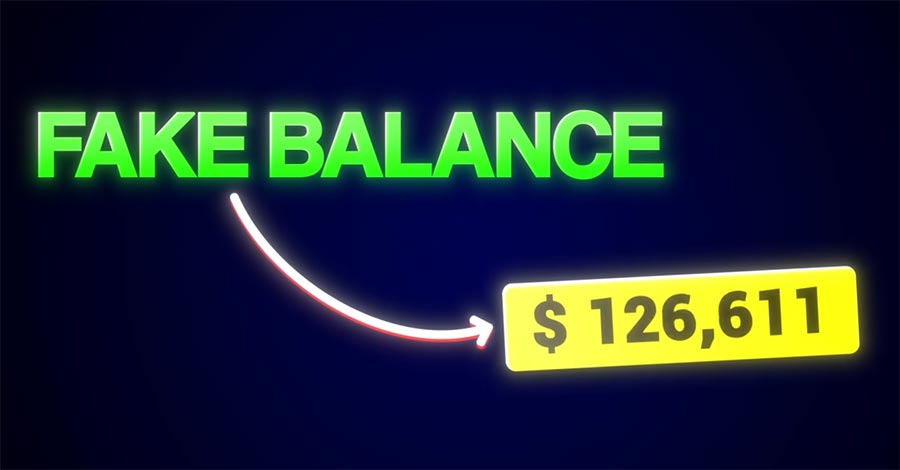
While this likely isn’t news to most of our readers, the video presents the well-known practice of “fake money” streaming in a compelling way. According to the video, Roshtein and other high-profile streamers are gambling with funds provided by the casinos they promote – balances that look real but can’t be withdrawn. This setup creates the illusion of wealth and high stakes without any real financial risk. By showcasing this arrangement, the video suggests a darker reality in the online gambling world, where viewers may be misled about the authenticity of the gameplay.
The Mechanics of Fake Money Streaming: How Does It Work?
In “Roshtein is Hiding This from You”, the narrator describes how fake money streaming operates. Unlike an average gambler who risks personal finances, a fake money streamer typically has a promotional agreement with a casino, where they receive a balance to play with each month. According to the video, this balance is purely for promotional purposes, with conditions preventing the streamer from cashing out. It exists solely to make the gameplay look authentic to viewers.
As the video explains, these streamers don’t clarify that the balance isn’t real or that the gameplay they present is financially safe for them but risky for viewers. The video argues that by hiding this crucial detail, these influencers create a false impression that they’re gambling enormous sums of their own money, thereby encouraging their audience to do the same. For a casual viewer, the high stakes add to the allure, making the dream of big wins feel within reach.
The video delves deeply into Roshtein’s specific behavior and offers moments where he allegedly avoids withdrawing any of the balance he shows on screen. The narrator suggests that if the balance were legitimate, Roshtein could withdraw and redeposit portions on stream to prove its authenticity. Yet, as highlighted in the video, such withdrawals rarely, if ever, happen, a curious detail that has fueled speculation around the legitimacy of his funds.
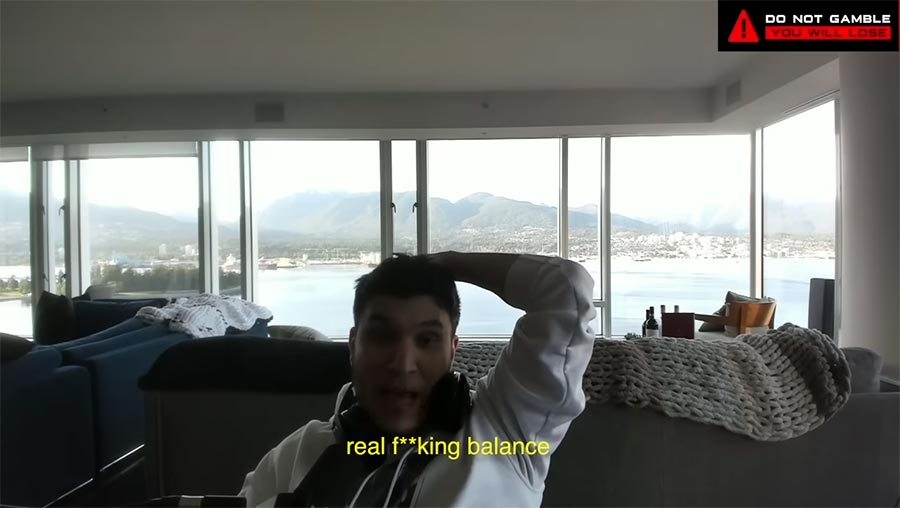
In one instance, the video discusses a moment where Roshtein accidentally revealed a demo balance that matched his “real” balance, which he quickly tried to cover up. This incident has circulated widely online, with skeptics pointing to it as evidence of fake money streaming. However, without full disclosure from Roshtein or his affiliated casinos, the truth remains murky. What is clear, according to the video, is that the lack of transparency creates an environment where viewers are led to believe in a glamorous, high-stakes world that may be nothing more than a performance.
The Role of Affiliate Links: Viewers Paying the Real Price
A critical point in the video concerns affiliate links. Like many streamers, Roshtein and his counterparts offer viewers links to the casinos where they play, inviting them to create accounts and start gambling. In exchange, the streamers receive a percentage of the money their followers wager. The video posits that these affiliate programs are the true financial backbone of gambling streams, making them more akin to advertisements than genuine entertainment.
What makes this arrangement especially troubling, according to the video, is that viewers often don’t realize the risks they’re taking, especially when they assume their favorite streamers are taking similar risks. With affiliate earnings dependent on how much viewers wager, the video suggests that streamers have an incentive to create the illusion of massive wins and minimal losses, regardless of the reality. In this setup, viewers become the real gamblers, often wagering far more than they would if they knew the streamer wasn’t risking their own funds.
The video also highlights the psychological effect of watching someone gamble with what appears to be an enormous bankroll. Seeing a streamer like Roshtein win hundreds of thousands in a single spin fosters a sense of possibility. Viewers, believing they could also experience these wins, are more likely to take risks themselves. But as the video points out, these “wins” may be fictional for the streamer, designed solely to entice viewers.
This manipulative aspect becomes particularly problematic when considering the audience demographic. Gambling streams attract a wide array of viewers, many of whom may be inexperienced or susceptible to addiction. The high-energy atmosphere, the flashy animations, and the emotional reactions all contribute to a carefully crafted performance meant to heighten engagement. According to the video, these elements combine to create an environment that encourages viewers to gamble without understanding the true odds.
Real Stakes vs. Fake Stakes: The Case of Monarch
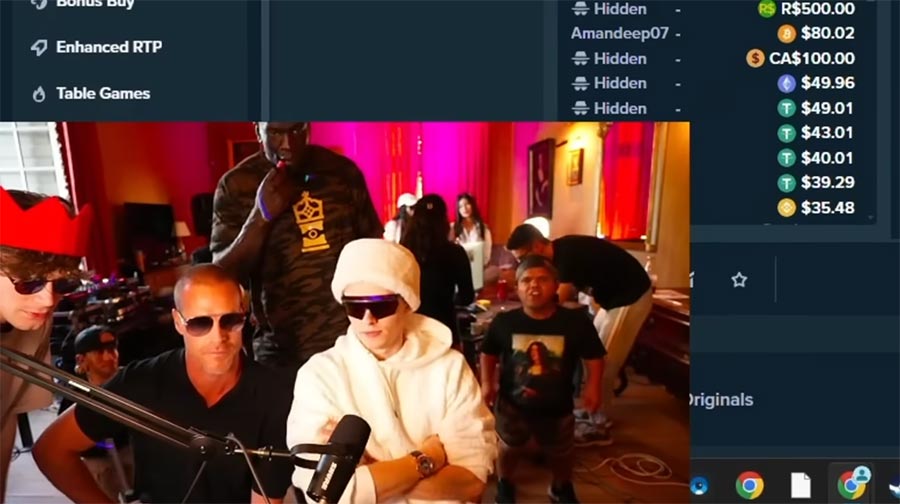
To contrast with the fake money phenomenon, the video mentions Monarch, an online personality who streams high-stakes gambling sessions with his own funds. Unlike fake money streamers, Monarch has made his earnings and losses transparent, showing viewers the real consequences of high-stakes gambling. By playing with personal finances, Monarch provides an authenticity that the video argues is missing from most gambling streams.
Monarch’s approach illustrates what authentic gambling content could look like: real money at stake, genuine risks, and transparent financial behavior. Although his streams may be less sensational than those of fake money streamers, they offer an honesty that many viewers may find refreshing. Monarch’s approach raises the question of whether transparency could become the new standard, as viewers grow more aware of the fake money streaming model.
The Broader Implications: How Fake Money Streaming Affects the Industry
The revelations in “Roshtein is Hiding This from You” extend beyond individual streamers to the industry as a whole. The video suggests that fake money streaming contributes to a larger culture of deception within online gambling. By allowing influencers to present staged gambling as genuine, casinos foster a misleading narrative that benefits them financially while leaving viewers vulnerable.
As the video outlines, the online gambling industry has long struggled with ethical concerns, particularly around transparency and the targeting of vulnerable players. Fake money streaming adds another layer to this issue, as it incentivizes content creators to play with large, unrealistic balances that viewers believe are achievable. This practice, according to the video, not only misrepresents the true nature of gambling but also cultivates a dangerous environment where viewers are encouraged to gamble more than they can afford.
One of the video’s main points is the need for regulatory oversight to address fake money streaming. Currently, gambling streams exist in a regulatory gray area, with few laws mandating disclosure about the source of a streamer’s funds. As the video suggests, stricter guidelines around influencer partnerships with casinos could create a more transparent and trustworthy environment. Requiring streamers to disclose whether they are playing with promotional funds or personal money could help viewers make informed decisions.
Another potential solution discussed in the video is platform regulation. Streaming sites could implement disclosure requirements, requiring streamers to label content as “promotional” if they are not using their own funds. Although this would not solve the issue entirely, it would offer viewers a clearer understanding of the risks, or lack thereof, in each stream.
The Choice Between Truth and Illusion
In its closing, “Roshtein is Hiding This from You” calls on viewers to question the authenticity of the gambling content they consume. As gambling streams continue to attract millions of viewers, the need for transparency has never been more pressing. For an industry that has often thrived on illusion, fake money streaming represents a new frontier in ethical debates around digital entertainment.
In the end, the video leaves us with a choice: seek out authentic gambling streams or continue to engage with performances designed to look like high-stakes gambling without the real stakes. The viewer, the video suggests, holds the power to demand change. By supporting content creators who value transparency, viewers can help foster a more honest and responsible online gambling community.